Why Early Hands-On STEM Outperforms Passive Screen Time
Transforming passive video consumers into active inventors, builders, and code architects from age 7 upwards.
Today's children spend an average of four to six hours daily interacting with screens. While digital literacy is crucial, passive consumption—such as watching gameplay videos or scrolling short-form clips—does not foster spatial problem-solving or engineering ingenuity.
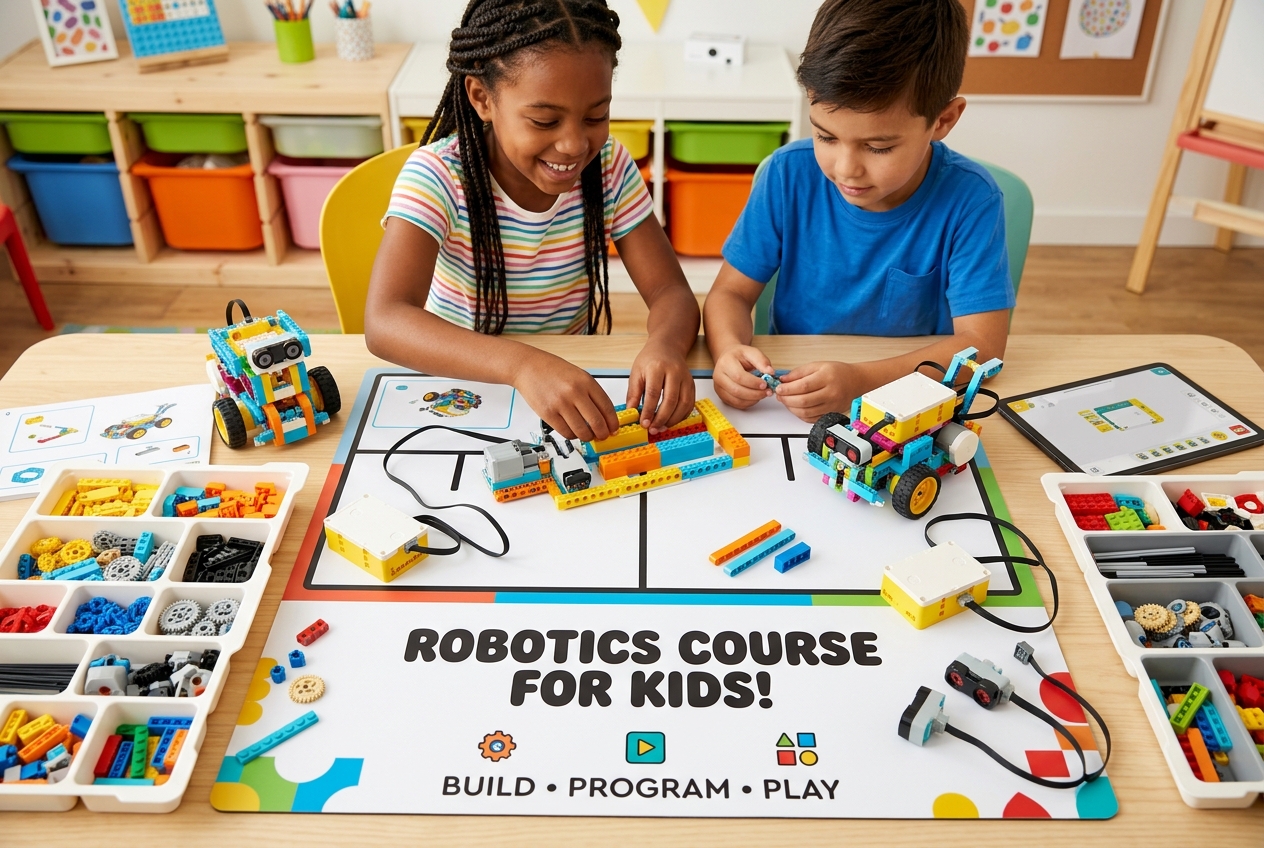
By replacing passive screens with physical computing kits, breadboards, gears, and servo motors, children experience the thrill of tactile creation. When they press a button they wired themselves or program an autonomous rover to deliver an object across the room, the psychological effect is profound: they realize that technology is something they can create and control, not just consume.
Inspire your child with hands-on robotics engineering.
Join our personalized 1-on-1 programs in robotics, electronics, automation and competition preparation.